
Blogs
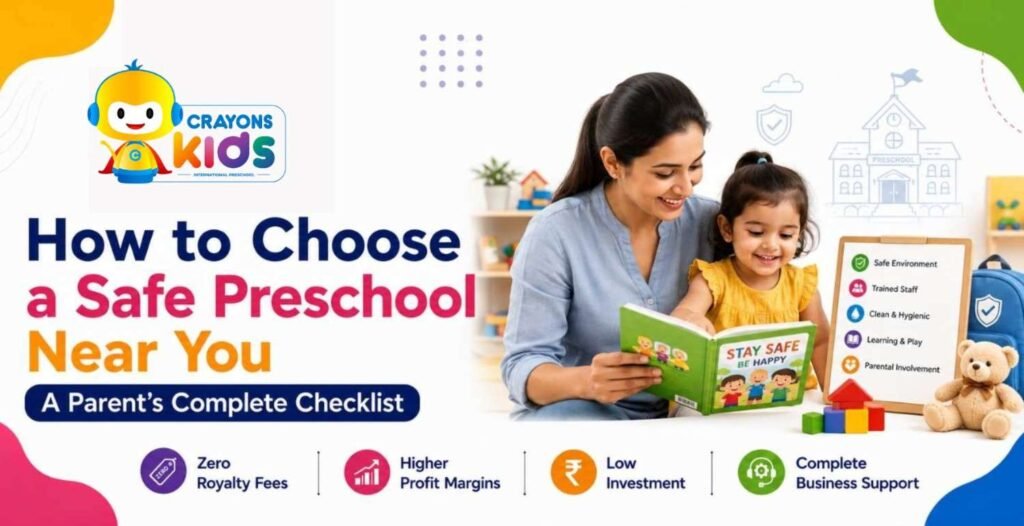

Why Choosing a Safe Preschool Matters
Finding the right preschool is one of the most important decisions parents make during their child’s early years. While academics and activities are important, safety should always be the first priority. A preschool should provide a secure, caring, and child-friendly environment where children can learn, play, and grow with confidence.
When parents search online for a safe preschool near me, they often compare locations, facilities, teachers, and reviews. However, there are several important factors that go beyond convenience. Understanding what to look for can help you choose a preschool that supports your child’s physical, emotional, and educational development.
Look for a Secure Campus
A safe preschool begins with a secure environment.
When visiting a preschool, check whether the campus has:
- Secure entry and exit gates
- Visitor registration procedures
- CCTV surveillance in common areas
- Child-safe classrooms
- Well-maintained playground equipment
- Emergency exits
- Fire safety equipment
- Clean surroundings
A school that prioritizes safety will have clear policies and visible safety measures throughout the campus.
Check Classroom Safety
Children spend most of their day inside classrooms, so the learning environment should be designed specifically for young learners.
Look for classrooms that have:
- Rounded furniture edges
- Non-slip flooring
- Bright lighting
- Good ventilation
- Clean drinking water
- Child-sized furniture
- Safe electrical outlets
- Organized learning materials
A clutter-free classroom reduces accidents and creates a comfortable space for learning.
Meet the Teachers
Teachers have a significant influence on a child’s preschool experience.
During your visit, observe whether teachers are:
- Friendly and approachable
- Patient with children
- Well-trained in early childhood education
- Calm while handling different situations
- Encouraging and supportive
Children learn best when they feel emotionally secure. Caring teachers help build trust and confidence.
Ask About Teacher-to-Child Ratio
A smaller teacher-to-child ratio allows every child to receive more attention.
When teachers supervise fewer children, they can:
- Monitor safety more effectively
- Understand each child’s learning needs
- Provide individual support
- Respond quickly during emergencies
This also creates a more comfortable learning environment.
Observe Cleanliness and Hygiene
Good hygiene plays a major role in keeping children healthy.
While touring the preschool, check:
- Clean classrooms
- Sanitized toys
- Hygienic washrooms
- Proper waste disposal
- Clean dining areas
- Regular cleaning schedules
Healthy surroundings reduce the spread of infections and create a pleasant environment.
Review Safety Policies
Every preschool should have clear safety procedures.
Ask questions such as:
- How are children picked up?
- Who is authorized for pickup?
- What happens during emergencies?
- Is first aid available?
- Are staff trained in emergency response?
- How are illnesses handled?
Schools that openly explain their safety policies demonstrate transparency and preparedness.
Explore the Playground
Outdoor play is essential for physical development, but playground safety is equally important.
Look for:
- Soft flooring
- Well-maintained play equipment
- Age-appropriate play areas
- Shaded outdoor spaces
- Proper supervision during playtime
Children should be able to explore and play safely under teacher supervision.
Understand the Learning Approach
A quality preschool focuses on overall child development rather than academic pressure.
Look for programs that include:
- Play-based learning
- Storytelling
- Art and craft
- Music and movement
- Sensory activities
- Outdoor exploration
- Group learning
Children learn naturally through hands-on experiences and creative play.
Check Communication with Parents
Good communication builds trust between parents and the preschool.
Many schools provide:
- Daily updates
- Parent-teacher meetings
- Activity reports
- Progress discussions
- Event notifications
Regular communication helps parents stay involved in their child’s learning journey.
Read Parent Reviews
Online reviews can provide valuable insights into a preschool’s environment and reputation.
Look for comments about:
- Teacher behavior
- Safety standards
- Child happiness
- Learning quality
- Cleanliness
- Parent support
While one negative review should not determine your decision, consistent positive feedback is encouraging.
Visit During School Hours
The best way to evaluate a preschool is by visiting while classes are in progress.
Observe whether:
- Children appear happy
- Teachers interact positively
- Activities are well organized
- Classrooms remain calm and engaging
- Children participate actively
A real classroom visit provides better insight than photographs or brochures.
Ask About Health and Emergency Preparedness
Emergencies are rare but schools should always be prepared.
Ask whether the preschool has:
- First aid kits
- Emergency contact procedures
- Fire drills
- Medical assistance protocols
- Staff trained in first aid
- Emergency evacuation plans
Prepared schools respond more effectively during unexpected situations.
Consider the Location
While choosing a preschool close to home is convenient, safety and quality should remain the primary factors.
A nearby preschool offers:
- Shorter travel time
- Less fatigue for children
- Easier daily routine
- Faster access during emergencies
- Better attendance
However, always compare the school’s facilities and teaching quality before making your final decision.
Observe Children’s Behavior
One of the best indicators of a preschool’s environment is the children themselves.
Notice whether they are:
- Smiling
- Comfortable with teachers
- Actively participating
- Playing confidently
- Interacting positively with classmates
Happy children usually reflect a positive and supportive learning environment.
Questions to Ask Before Admission
Before enrolling your child, consider asking these questions:
- What safety measures are followed daily?
- How are children supervised?
- What qualifications do teachers have?
- What is the teacher-to-child ratio?
- How does the school communicate with parents?
- What learning methods are used?
- How are emergencies managed?
- What are the school’s hygiene practices?
These questions help parents make informed decisions.
Mistakes to Avoid
Many parents focus only on fees or distance.
Avoid choosing a preschool based solely on:
- Lowest fees
- Attractive classrooms
- Fancy advertisements
- Location alone
- Academic promises without play-based learning
Instead, evaluate the complete learning environment, safety standards, teacher quality, and child development approach.
Why Safety Supports Better Learning
Children learn best when they feel secure. A safe preschool allows children to explore, ask questions, make friends, and participate in activities without fear.
When safety, care, and quality education work together, children become more confident, independent, and enthusiastic learners. Parents also gain peace of mind knowing their child is in a nurturing environment every day.
Conclusion
Choosing a safe preschool near you involves much more than selecting the closest school. Parents should evaluate security measures, classroom safety, qualified teachers, hygiene, learning methods, parent communication, and emergency preparedness before making a decision.
A preschool that provides a secure, caring, and engaging environment lays the foundation for lifelong learning and healthy development. Taking the time to visit schools, ask questions, and observe daily activities will help you find the right place where your child can learn, grow, and thrive with confidence.